
The three colors
Every visible color is mixed from red, green, and blue light at varying intensities. An RGB LED has three tiny sub-LEDs — one of each color — packed into a single housing. By varying the brightness of each, the LED produces 16 million color combinations.
The 'IC' chip
The 'IC' is an integrated circuit — a tiny brain — built into each LED. It listens for instructions on a shared data line and lights up only when its address is called. So the controller can say 'pixel 47, turn purple at 60% brightness' and only that one LED responds.
Without the IC chip, every LED on the strip has to show the same color at the same time — that's plain RGB. With IC, each pixel runs independently, which is what enables flowing gradients, chase animations, and per-section color zones.
Why it matters outside
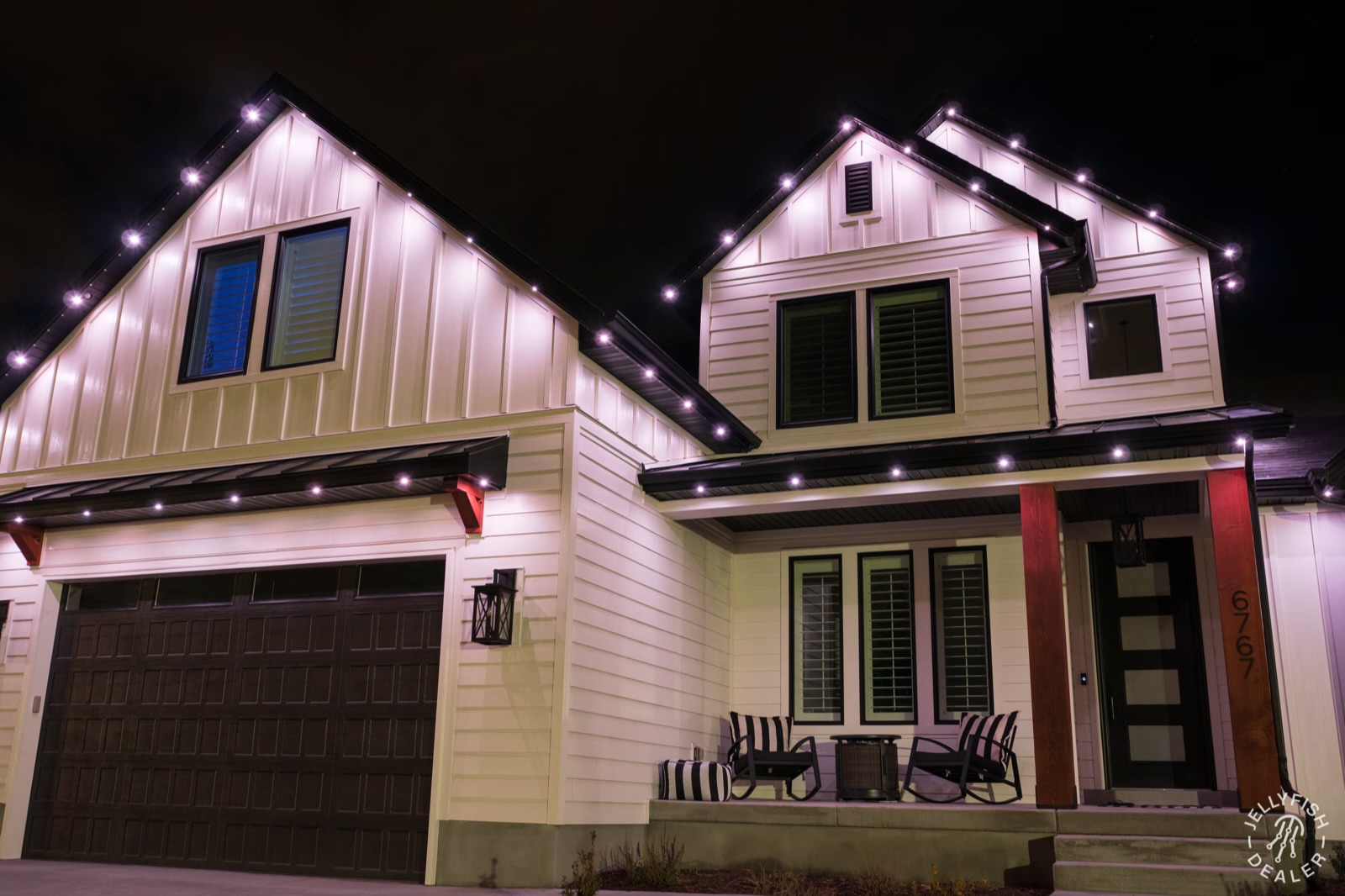
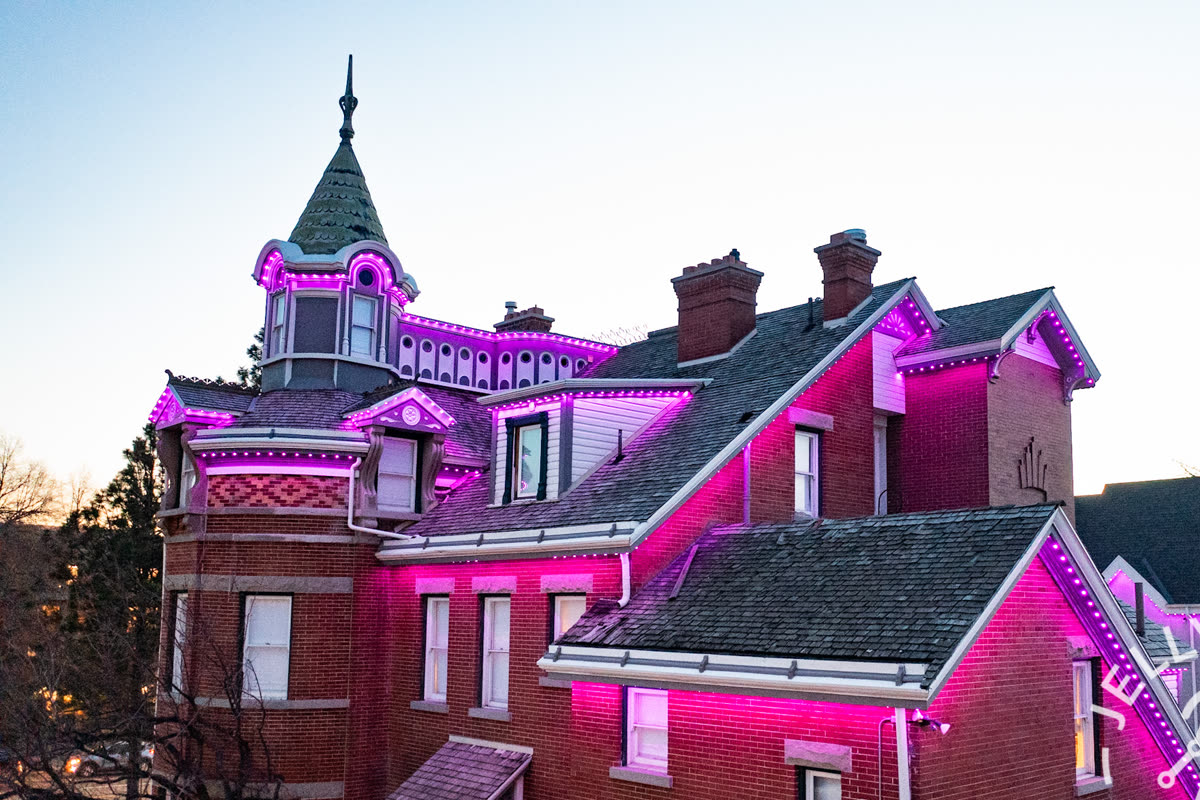
Outside is exactly where pixel-by-pixel control earns its money. Roofline outlines look static and cheap with single-color RGB. RGBIC produces the smooth color washes you see on display homes — twinkling Christmas reds-and-greens that actually fade into each other, fire-effect Halloween, USA flag waves on July 4.